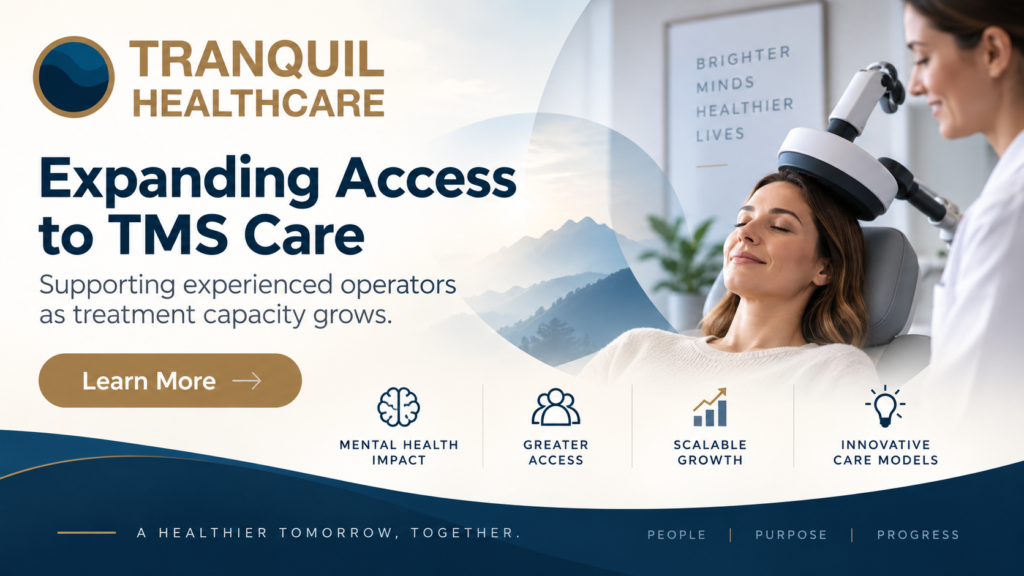

The audience may be vulnerable
People researching depression treatments may be experiencing significant distress. Marketing should make the service understandable without creating urgency, fear, or certainty that the evidence cannot support.
Describe the treatment precisely
A clinic should state what the technology is, who evaluates eligibility, which device or protocol is used, and whether the use falls within the applicable clearance. Terms such as noninvasive and drug free need context. They do not mean risk free or appropriate for everyone.
Use outcomes with denominators
If a clinic publishes results, readers need to know the measure, patient population, time period, number of patients, missing data, and definition of response or remission. Selected testimonials can be meaningful personal accounts, but they are not a substitute for representative data.
Separate education from solicitation
An educational article can explain TMS, treatment pathways, insurance questions, and safety screening without steering every paragraph toward a consultation. When a company such as Tranquil Healthcare is mentioned as an industry example, the article should identify its publicly stated role and avoid implying endorsement, clinical superiority, or investment performance.
Make the next step safe
A call to action should invite a clinical evaluation or conversation, not promise qualification. Crisis information should be easy to find, and web forms should state that they are not monitored for emergencies. Responsible marketing respects the difference between a prospective patient and a sales lead.