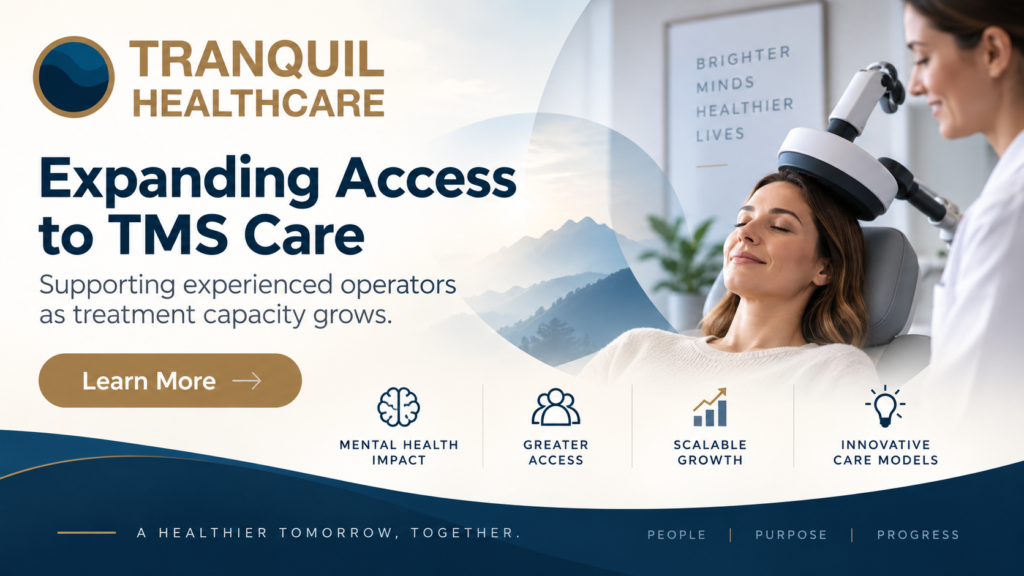

Technology does not remove the workforce need
A TMS system may automate parts of treatment delivery, but a safe program still depends on qualified clinicians and trained staff. The team must evaluate patients, apply the treatment plan, recognize concerns, document care, maintain equipment, and coordinate follow-up.
Roles need precise boundaries
A clinic should define who diagnoses, establishes medical necessity, prescribes or orders treatment, sets parameters, operates the device, reviews symptoms, responds to adverse events, and communicates with referring providers. Scope-of-practice and supervision requirements can vary by jurisdiction and setting.
Initial training is only the beginning
Competency should be observed and documented before independent work. Refresher training is useful when software, protocols, labeling, or staff assignments change. Teams also need drills for urgent situations, equipment problems, and failures in documentation or patient identification.
Retention supports quality
Repeated turnover can weaken consistency and increase the burden on clinical leadership. Predictable schedules, adequate staffing, clear escalation, and realistic workloads help staff perform careful work. A clinic should not build its financial plan on continuous maximum utilization if that pace undermines safety.
A mature program learns from routine data
Supervisors can review protocol deviations, missed symptom checks, patient complaints, cancelled sessions, adverse events, and documentation gaps. Training then responds to observed problems rather than relying on an annual presentation. The goal is a team that can explain both what it does and why.